

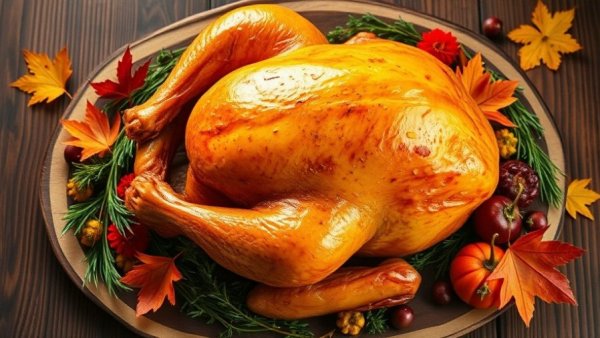
Master the Art of Thanksgiving Turkey with These Proven Tips
As the holiday season approaches, nothing ignites the kitchen spirit like the aroma of a perfectly roasted Thanksgiving turkey. In All My Secrets for the BEST Thanksgiving Turkey!, meat expert Matt from Meat Church shares his invaluable insights to achieving that Thanksgiving star—the turkey—right at home. Here are his all-encompassing tips that promise to elevate your cooking game and impress your loved ones.
In All My Secrets for the BEST Thanksgiving Turkey!, the discussion dives into cooking techniques for the perfect turkey, exploring key insights that sparked deeper analysis on our end.
Understanding the Importance of Choosing the Right Turkey
The first lesson to learn is the size of your turkey. Matt suggests opting for a turkey between 12-14 lbs rather than a larger bird, which can lead to uneven cooking and texture. The beauty of cooking two smaller turkeys is not just practical; it allows for flavor consistency and serves equally to large families, ensuring that everyone is happy around the dinner table. Smaller turkeys are also easier to handle and fit in most home ovens or smokers, leading to less stress on the big day.
Why Brining is Key for Juicy and Flavorful Turkey
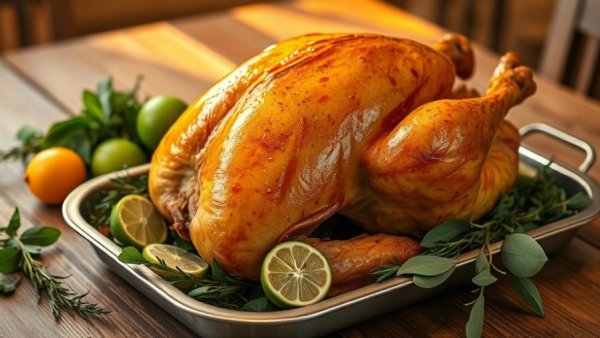
If you want that juicy, melt-in-your-mouth experience during Thanksgiving, you can't skip the brining step. Matt recommends wet brining as the optimal method for infusing moisture and flavor into your turkey. It’s a straightforward process: dissolve a specialized brine mix in warm water, allow it to chill, then submerge the turkey for 12 to 24 hours. This imbues tenderness and taste, ensuring nobody's left disappointed after their first bite. Think of brining as a way to infuse the turkey with not just salt but also herbs and spices that will create layers of flavor. Take your brining to the next level by adding some citrus peels or fresh herbs to that mixture for a unique twist.
Spatchcocking: A Game-Changer for Even Cooking
One tip that might raise eyebrows but is a game-changer is spatchcocking. By removing the backbone and laying the turkey flat before it's cooked, you ensure faster, more even cooking. Not only does this make the cooking process more manageable, but it also results in a bird that boasts crispy skin while maintaining juicy meat, providing an attractive presentation for your family and friends. Plus, the ease of carving and serving comes as an added bonus! For those unfamiliar, spatchcocking might sound intimidating, but with a good pair of kitchen shears or knife, it’s a simple task that pays off handsomely.
Enhancing Flavor with Seasoning and Butter
To amp up the flavor, it’s crucial to pay attention to the seasoning game. Matt advises not just seasoning the exterior but also ensuring flavor under the skin. By carefully lifting the skin and seasoning the meat directly, you ensure each piece is flavorful. And let’s not forget the magic of butter! Adding a stick of high-quality butter under the skin elevates the richness and moistness of the turkey significantly. Want to dazzle your guests? Mix some minced garlic or fresh herbs into that butter for an extra burst of flavor. This step may seem minor, but it plays a huge role in making your turkey unforgettable.
Temperature Matters: Finding the Right Cooking Temperature
Your cooking temperature affects both flavor and texture. Cooking between 275 to 325 degrees Fahrenheit yields the best results for a flavorful turkey. The lower the temperature, the smokier the flavor; however, you run a risk of less crispy skin. Matt suggests using higher temperatures cautiously, as it can also lead to a medium doneness, which could dry out the meat. For a fail-proof turkey, an instant-read thermometer is a must, pulling the turkey at around 155 degrees to ensure maximum juiciness. This way, you're guaranteed a turkey that’s cooked perfectly, and with the right amount of resting time afterward, every single bite will be deliciously moist.
The Need for Resting: A Key Overlooked Step
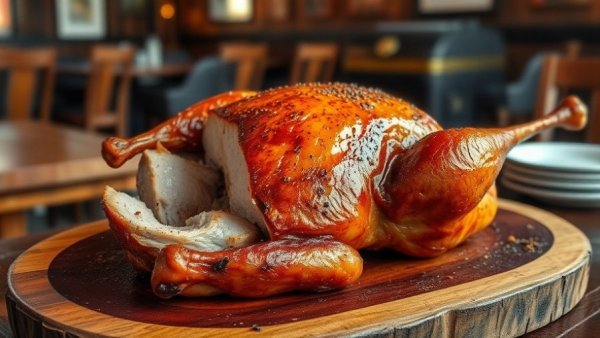
After successfully cooking your turkey, don’t rush to carve it immediately. Matt emphasizes allowing the turkey to rest for at least 30 minutes before slicing. This resting period helps the juices redistribute throughout the meat, resulting in a much juicier experience for everyone. A well-rested turkey means less dry meat on your plate! Think of this time as preparing your feast; while the turkey rests, you can use that time to finish sides or enjoy some time with family before the big feast.
Why Thanksgiving is About More Than Just the Food
The essence of Thanksgiving and cooking a turkey is not only about serving a delicious meal; it's about creating memories with family and friends. As Matt aptly states, “your family is going to judge you,” but the core takeaway is that good food fosters great conversations, laughter, and the warmth of togetherness. Connecting around a well-cooked turkey can become a cherished memory for years to come. Take the time to share stories and enjoy the company, because at the end of the day, Thanksgiving is all about gratitude and connection.
Conclusion: Embrace Thanksgiving with Confidence and Flavor
If you’re eager to transform your Thanksgiving meal from ordinary to extraordinary, investing time into these proven turkey cooking tips will make all the difference. With brining, seasoning, and proper cooking techniques, your turkey will be the talk of the table. Embrace your inner chef this Thanksgiving season—after all, you can’t appreciate the holidays fully without a fabulous turkey to celebrate with! So, get prepared, gather your loved ones, and remember: a tastefully roasted turkey makes the holidays unforgettable.
Cheers to a Happy Thanksgiving!




Write A Comment